Studio Monitor Reviews
ATC SCM25A Pro Mk2 vs SCM45A Pro: Which Should You Choose?
Manufacturer: ATC
In this article
- Short answer
- Price is a significant part of the decision
- The biggest difference: scale and low-frequency authority
- Midrange: why the SCM25A is still special
- Room size, stands and listening distance matter
- Could the SCM25A actually translate better?
- Why the SCM45A is not called a Mk2
- Amplification and connectivity
- SCM25A Pro Mk2 vs SCM45A Pro specifications
- Which would we choose?
We use both the ATC SCM25A Pro Mk2 and SCM45A Pro in our own studio. The smaller SCM25A Mk2 lives in our B room; the larger SCM45A is the main monitor in the room with our API 2448 console. That makes the comparison unusually straightforward for us: the two speakers share the ATC character we value, but they suit different rooms and priorities.
Short answer
If midrange clarity, imaging and a more compact footprint are the priorities, the SCM25A Pro Mk2 is the easier monitor to accommodate and remains exceptional. If you want more bass weight, more physical impact and a larger presentation without moving away from ATC’s soft-dome midrange approach, the SCM45A Pro is the stronger choice.
That is why we kept both rather than treating the SCM45A as a simple replacement for the SCM25A.
Price is a significant part of the decision
There is also a substantial price gap between the two. Current U.S. street pricing is about $9,990 per pair for the SCM25A Pro Mk2 and $13,990 per pair for the SCM45A Pro — roughly $4,000, or 40 percent, more for the larger model. That difference is large enough that the SCM45A should not be treated as an automatic upgrade simply because it sits above the SCM25A in size.
The installation cost can rise as well. The SCM25A Mk2 weighs about 56 lb per cabinet; the SCM45A is about 79 lb. A stand that is perfectly adequate for the SCM25A may not be the stand we would choose for the SCM45A. The 45A deserves a wider, heavier and more rigid support, and that should be included in the budget.
The biggest difference: scale and low-frequency authority
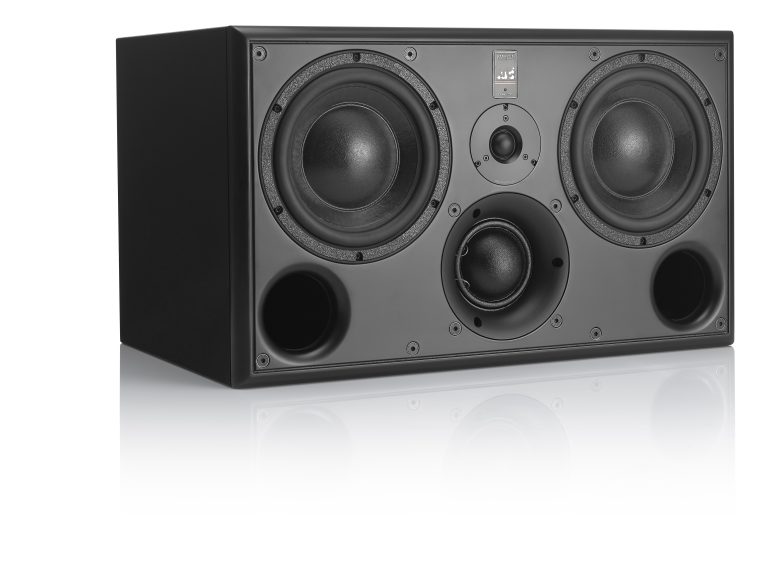
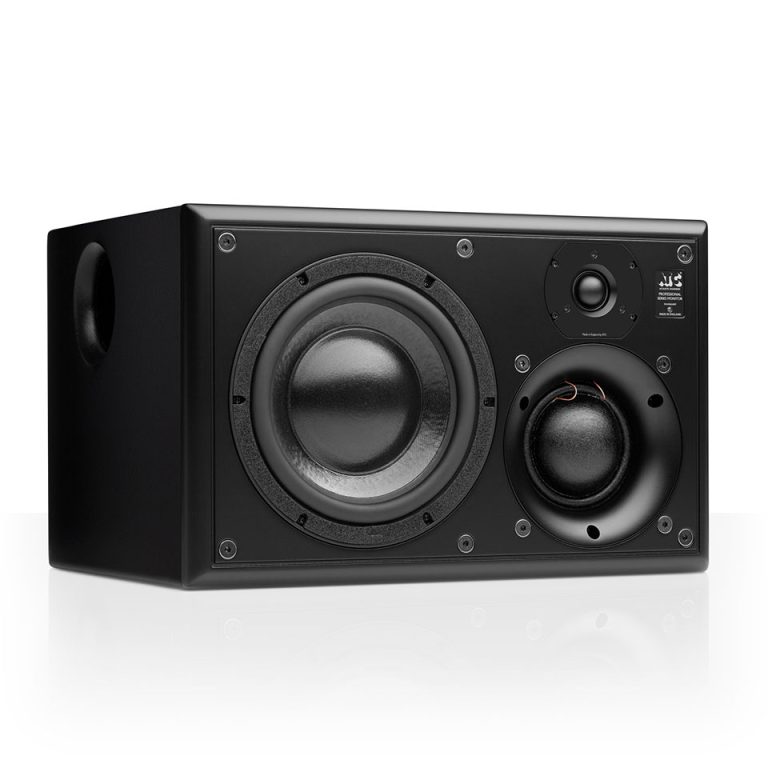
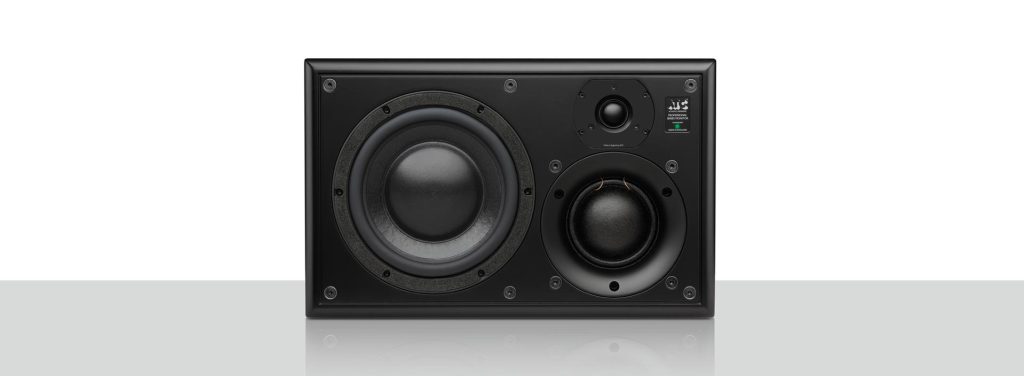
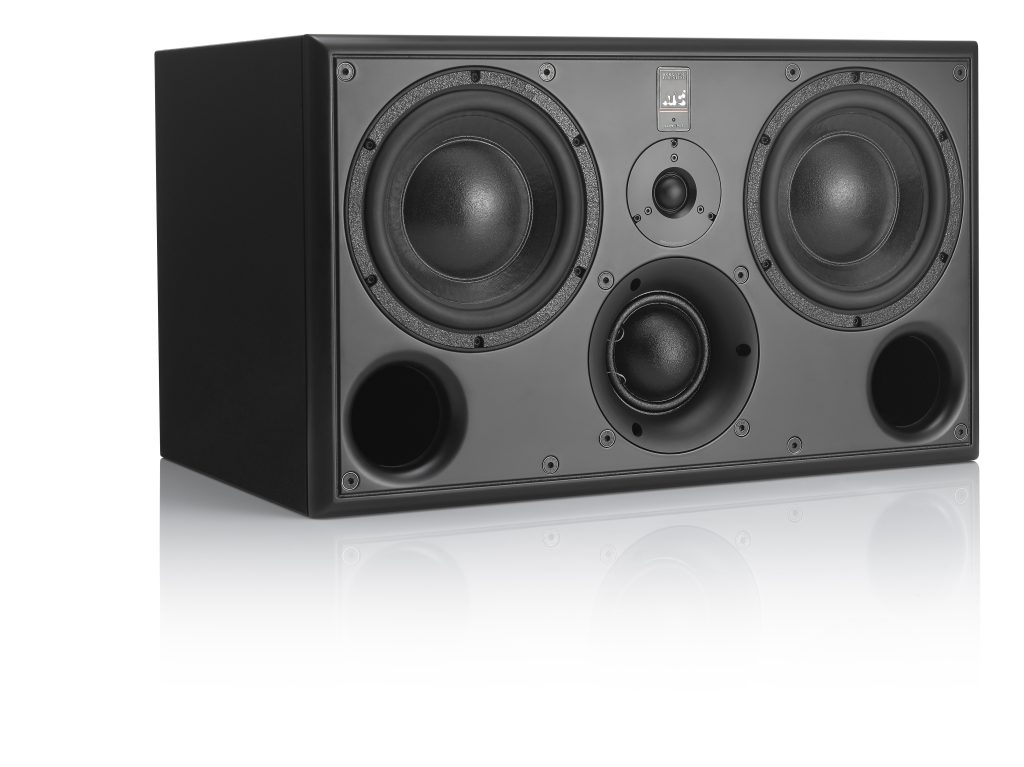
The SCM25A Pro Mk2 uses a single 6.5-inch bass driver. The SCM45A uses two 6.5-inch bass drivers. ATC specifies a -6 dB low-frequency cutoff of 47 Hz for the SCM25A Mk2 and 42 Hz for the SCM45A.
Those numbers alone do not describe the difference we hear. In our rooms, the SCM45A has more bass weight and noticeably more slam. That extra physical authority is the reason we chose it for the main room around the API console.
The SCM25A Mk2 does not sound small in the sense of being lightweight or compromised. Its balance is convincing, and its midrange presentation remains the quality that impresses us most. The SCM45A simply extends the same general family character into a larger, more forceful presentation.
Midrange: why the SCM25A is still special
The SCM25A Mk2’s midrange is the reason we continue to value it so highly. Properly positioned, the monitors disappear and the recording becomes the focus. Voices, guitars and other information-rich midrange sources are exceptionally easy to judge.
The SCM45A retains the quality we like about ATC’s 3-inch soft-dome midrange. Moving to the larger monitor did not feel like trading midrange quality for bass. What changed was scale: more low-frequency authority and more impact around essentially the same kind of revealing midband presentation.
Room size, stands and listening distance matter
The SCM25A Mk2 is easier to place in a smaller control room and makes sense when space around the console is limited. It is still a substantial monitor and deserves rigid stands and careful positioning, but it is materially easier to accommodate than the SCM45A.
The SCM45A is physically much larger and weighs about 79 lb per cabinet. It asks more of the room and the installation, and may require substantially burlier stands than the SCM25A. In return, it delivers the larger presentation that made sense in our main room.
Could the SCM25A actually translate better?
There is another possibility that is harder to reduce to a specification. The SCM25A Mk2 may, in some rooms and for some engineers, approximate the scale and limitations of good domestic loudspeakers a little more closely than the SCM45A. That can be useful when the goal is translation rather than simply hearing everything a recording contains.
The SCM45A is extraordinarily capable. Its additional bass authority, dynamic ease and scale can make a recording sound impressively complete. There are times when we wonder whether it is almost too good in that respect: a mix can sound so effortless on the 45A that it becomes important to remember how much less capable most playback systems are. That is not a criticism of accuracy; it is a reminder that a reference monitor and a translation check are not always the same thing.
We would not claim that the SCM25A is universally the better translation monitor. But it is one reason the smaller model should not automatically be viewed as merely a less expensive SCM45A.
Why the SCM45A is not called a Mk2
The naming can be misleading. The SCM45A Pro is not labeled “Mk2,” but ATC introduced it in 2015 as a newer design that already incorporated the company’s in-house SH25-76S dual-suspension tweeter. That same tweeter is the principal high-frequency change ATC later highlighted when the original SCM25A Pro became the SCM25A Pro Mk2.
ATC’s own announcement for the SCM25A Pro Mk2 specifically says the new tweeter had already been used in the SCM45A Pro and other larger professional models since 2015. So it is reasonable to think of the current SCM45A as already incorporating the key high-frequency design evolution that distinguishes the Mk2 25 from the original SCM25A. We would not extend that statement to every internal detail of the two designs; the 45A has its own bass-driver implementation, crossover and cabinet engineering.
Amplification and connectivity
Both are active three-way analog monitors with dedicated Class A/B amplification and balanced XLR inputs. Neither relies on onboard DSP room correction or digital input stages. Controls are deliberately simple: input sensitivity and bass boost rather than a large menu of voicing options.
The SCM25A Pro Mk2 amplifier pack is rated at 150 W for bass, 60 W for midrange and 32 W for treble. The SCM45A is rated at 150 W for the bass section, 60 W for midrange and 25 W for treble. The SCM45A’s two bass drivers share the bass amplifier section.
SCM25A Pro Mk2 vs SCM45A Pro specifications
| Specification | SCM25A Pro Mk2 | SCM45A Pro |
|---|---|---|
| Bass drivers | 1 x 6.5 in | 2 x 6.5 in |
| Midrange | 3 in ATC soft dome | 3 in ATC soft dome |
| Tweeter | ATC SH25-76S | ATC dual-suspension tweeter |
| Low-frequency cutoff | 47 Hz (-6 dB) | 42 Hz (-6 dB) |
| Amplification | 150 W LF / 60 W MF / 32 W HF | 150 W LF / 60 W MF / 25 W HF |
| Input | Balanced XLR | Balanced XLR |
| Room correction | None onboard | None onboard |
Which would we choose?
For a smaller room, or for someone who values the SCM25A Mk2’s exceptional midrange and does not need the additional low-frequency scale, we would choose the SCM25A without hesitation.
For a larger room where bass authority and physical impact matter more, we would choose the SCM45A. That is exactly what we did in our own studio.
The important point is that the SCM45A did not make the SCM25A obsolete for us. We moved the SCM25A pair to the B room and kept using them. The two monitors now have different jobs, and both continue to justify their place.
Technical references: ATC SCM25A Pro Mk2 and ATC SCM45A Pro. Listening observations and room-use decisions are based on our own studio experience.