
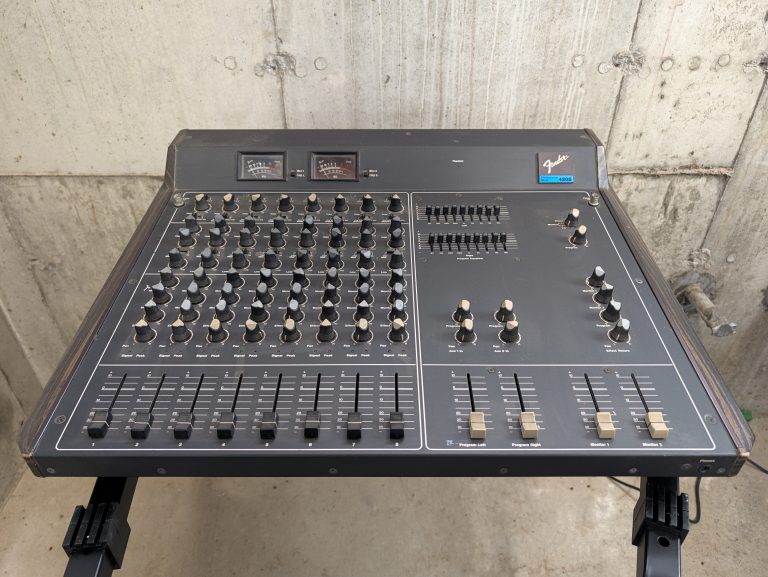
Mixing Console Reviews
Quick audio memo
Ready to record. Audio stays on this device unless you save it.
Save recordingEquipment Reviews
Mixing console reviews spanning analog and digital desks for recording and production, with attention to workflow, routing, sound and day-to-day studio use.
Console reviews at TAM focus on the complete working system: microphone preamps, EQ and dynamics, summing, routing, buses, monitoring, automation, ergonomics, connectivity, power-supply design, serviceability and how the desk behaves over years of daily use. Specifications matter, but so do layout, repairability and whether the console encourages fast, confident decisions while tracking and mixing.
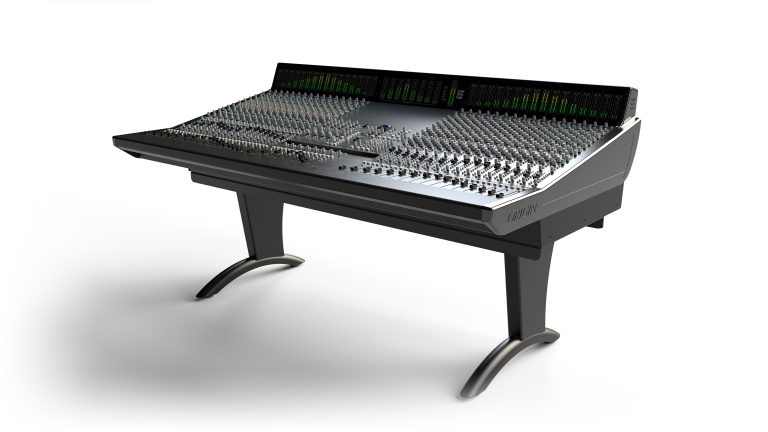
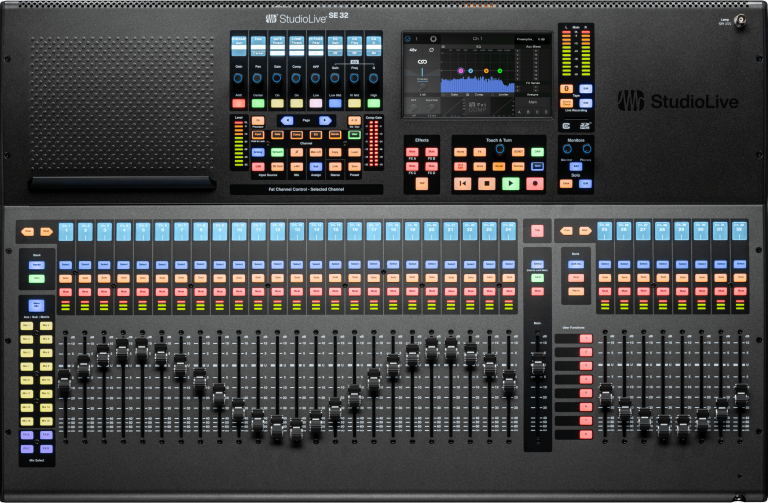
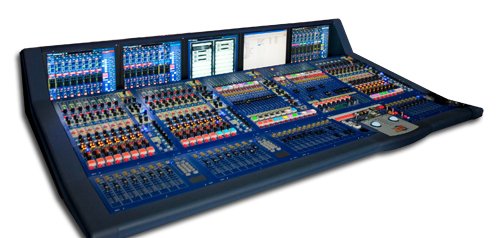
Large-format analog consoles such as the API 2448 and SSL ORIGIN 32 emphasize tactile workflow and analog signal paths, but they make very different choices about preamps, EQ, routing density, buses and construction. Digital and hybrid desks such as the PreSonus StudioLive Series III SE32 and Midas XL8 trade some of that fixed analog architecture for recall, processing, routing flexibility and system integration.
SSL ORIGIN 32 vs API 2448: Why I Switched Consoles is TAM's most detailed first-person console comparison. It covers sound, preamp quality, ergonomics, routing, construction, serviceability, power architecture and long-term ownership after using both consoles in the same studio.
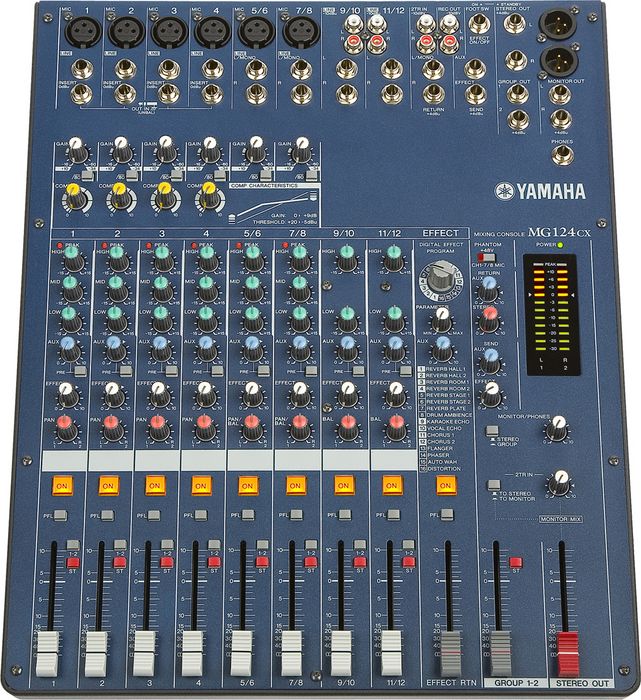
For a very different scale and price point, the Yamaha MG124CX shows how much practical utility can be packed into a compact analog mixer, while the Midas XL8 represents the opposite end of the spectrum: a large-format digital live-sound system.
TAM's audio test tones and reference signals are useful for routing, gain staging and troubleshooting. The studio patch sheet and gain-staging worksheet help document complex analog and hybrid signal paths.
Mixing Console Reviews
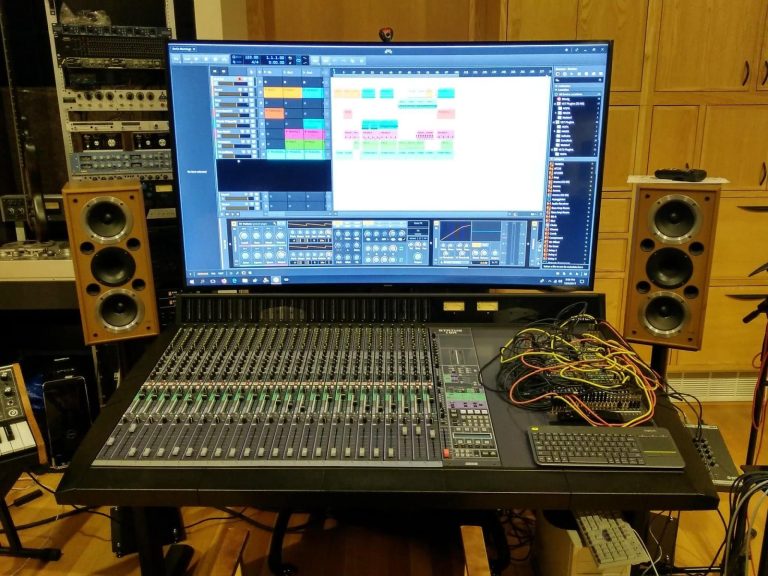
Mixing Console Reviews
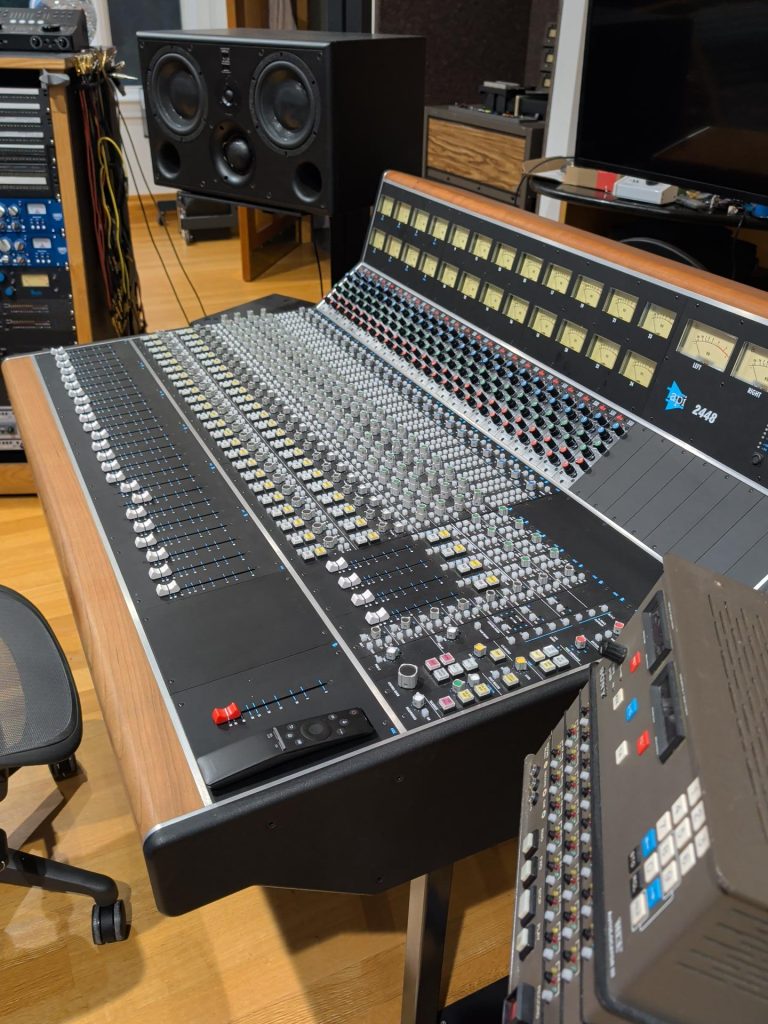
Mixing Console Reviews
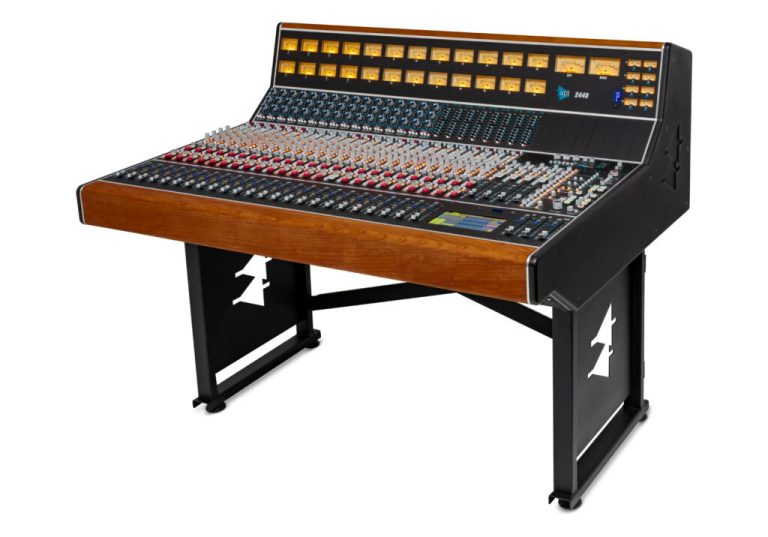
Mixing Console Reviews
Mixing Console Reviews
Mixing Console Reviews
Mixing Console Reviews
Mixing Console Reviews
Mixing Console Reviews