
Microphone Reviews
Quick audio memo
Ready to record. Audio stays on this device unless you save it.
Save recordingEquipment Reviews
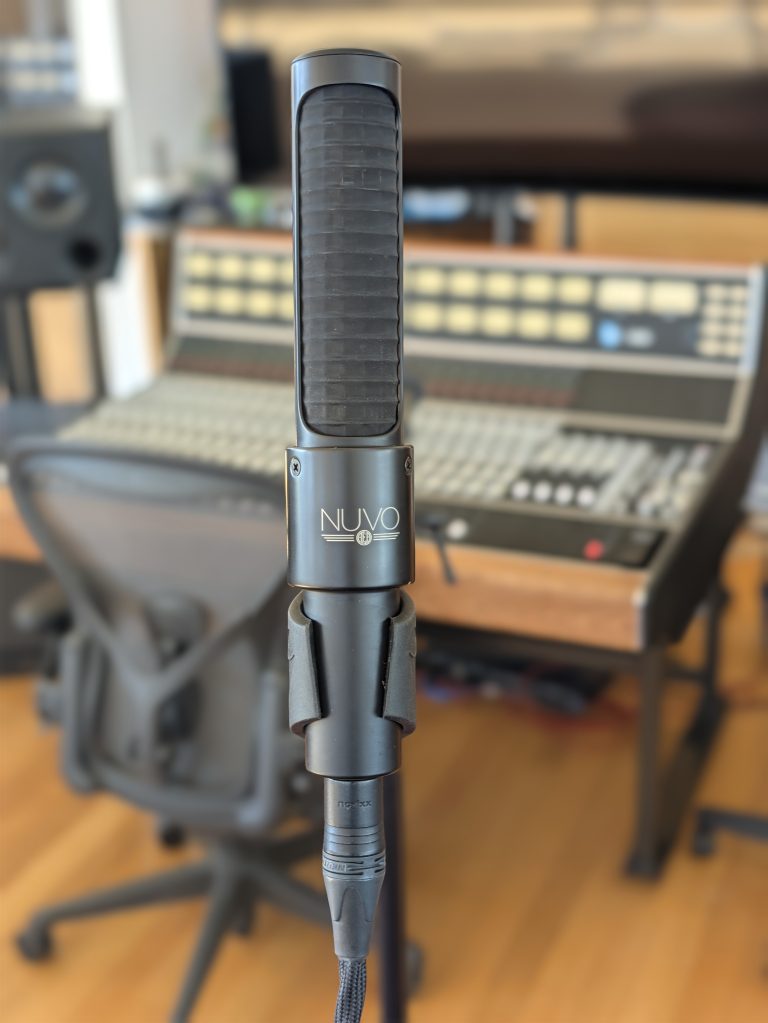
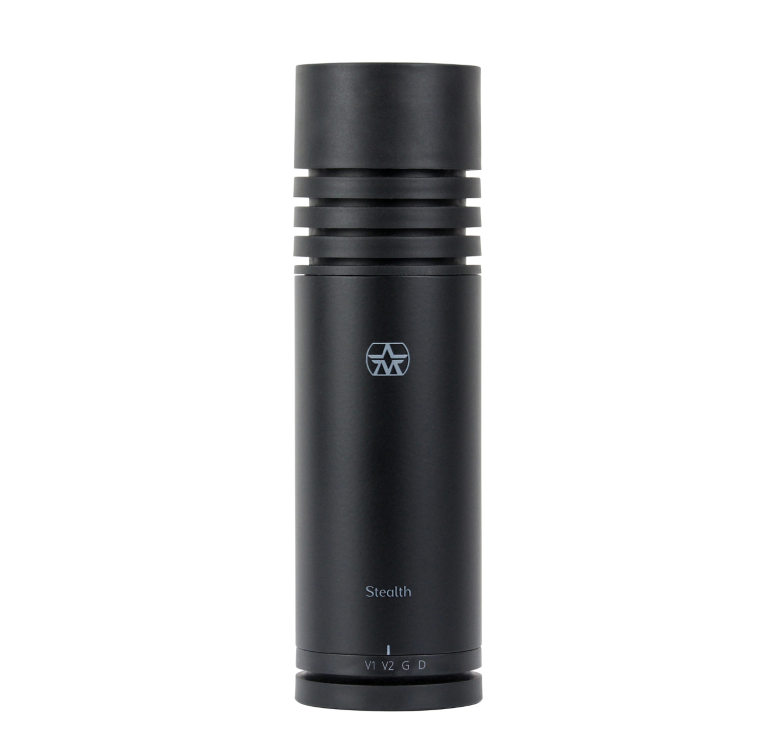
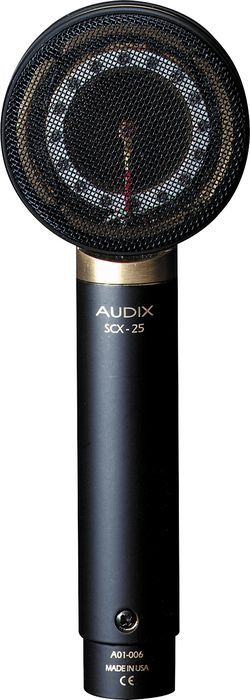
Independent microphone reviews covering studio condensers, dynamics, ribbons and specialty microphones. TAM emphasizes sound, noise, off-axis behavior, build quality and practical recording use, with hands-on perspective wherever possible.
Microphone reviews at TAM focus on how a microphone behaves on real sources rather than reducing the judgment to frequency-response graphs. We pay attention to tonal balance, transient behavior, self-noise, sensitivity, off-axis response, proximity effect, polar-pattern consistency, maximum SPL, handling noise and—most importantly—whether the microphone makes it easier to capture a useful recording.
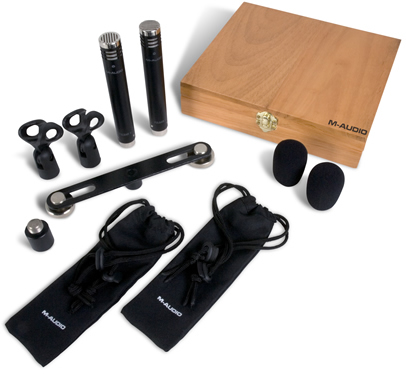
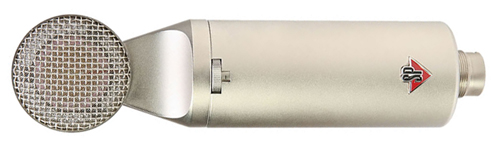
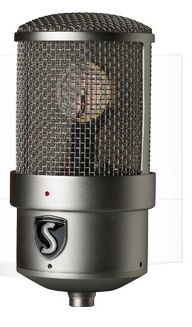
Large-diaphragm condensers are often chosen when low noise, detail and sensitivity matter; small-diaphragm condensers can excel when transient accuracy, consistent polar response and stereo work are priorities. Dynamic microphones remain valuable when high SPL capability, rejection and physical robustness matter. Multi-element and specialty designs can solve problems that a conventional single-capsule microphone cannot.
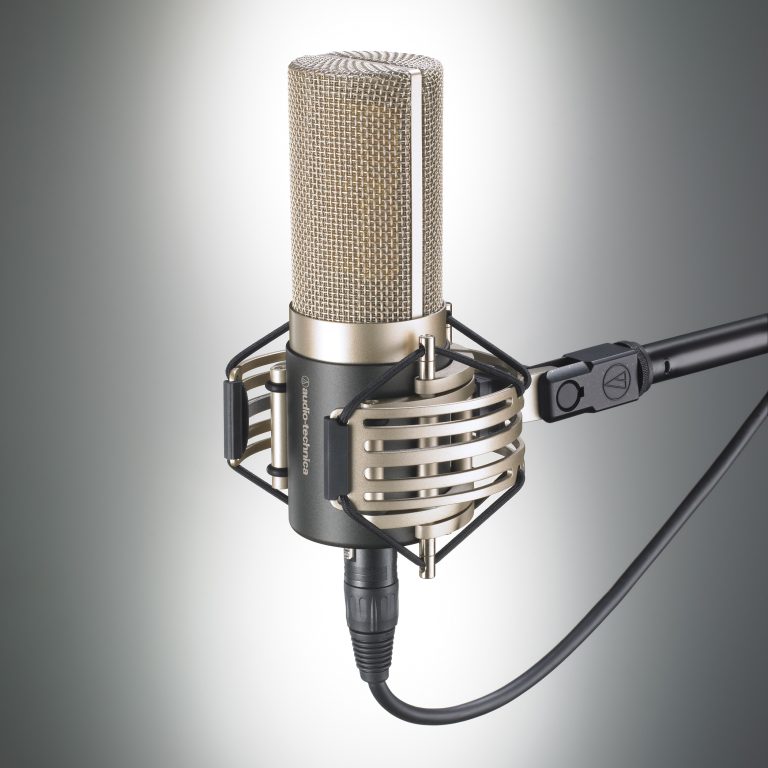
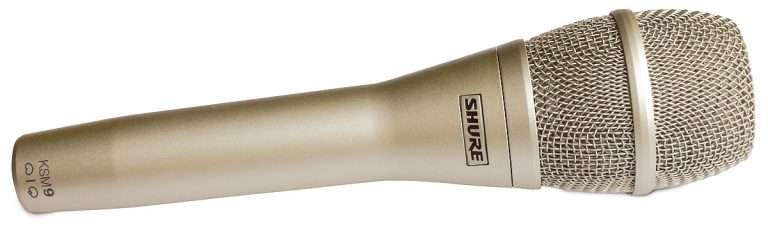
Audio-Technica AT5040 is our current high-end large-diaphragm reference review, with particular attention to detail, exceptionally low self-noise and construction. Shure KSM141 is a useful example of a versatile small-diaphragm condenser, while Shure KSM9 shows what a premium condenser can do in a live-vocal format. The Audio-Technica AE2500 is a very different solution: a dual-element dynamic/condenser microphone designed to combine two complementary pickup behaviors in one housing.
Microphone choice is only part of the result. Distance, angle, room reflections and the interaction between multiple microphones can matter just as much. TAM's path-difference and phase calculator is useful when comparing multi-microphone spacing, while the online spectrum analyzer and audio test signals can help with practical studio troubleshooting and comparative checks.
Microphone Reviews
Microphone Reviews
Microphone Reviews
Microphone Reviews
Microphone Reviews
Microphone Reviews
Microphone Reviews
Microphone Reviews
Microphone Reviews