Mixing Console Reviews
SSL ORIGIN 32 Review: A Modern Alternative to a Vintage SSL
The SSL ORIGIN 32 remains one of the best choices I know for an ambitious personal studio or a working commercial room. It combines a substantial amount of I/O, a logical layout and the sound that makes an SSL worth owning. The newer ORIGIN EVO has added features, but it does not make the original console any less useful.
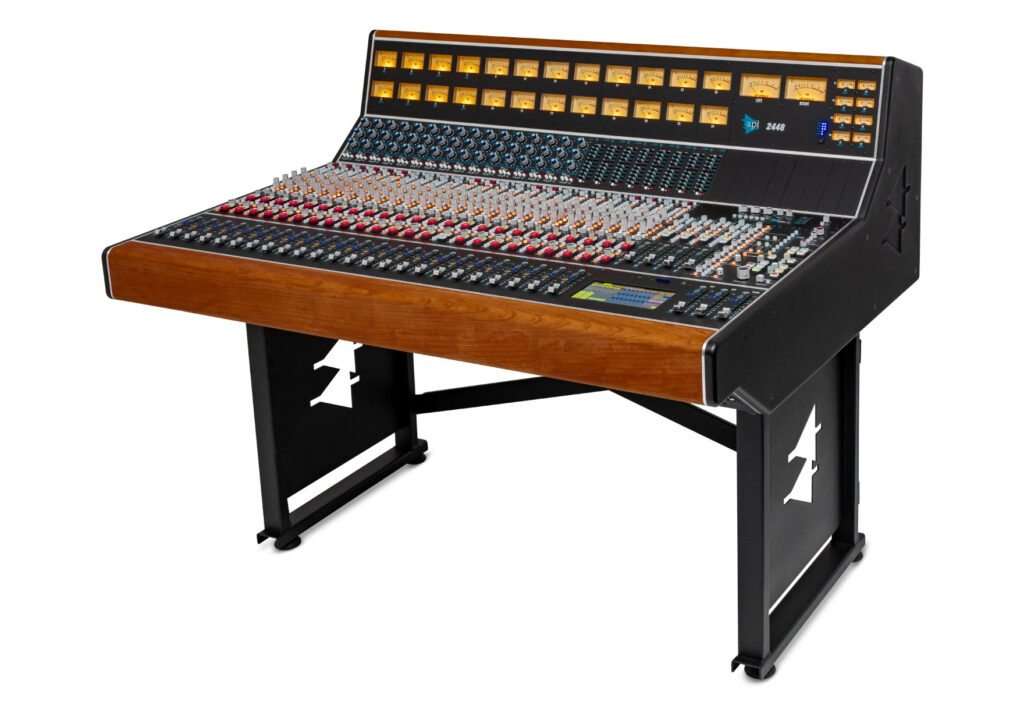
This review concerns the original ORIGIN 32, which I owned and used before it was replaced by the API 2448 in our studio. Its strongest qualities are straightforward: capable preamps, a bus compressor that immediately makes a mix sound like a record, and a configurable centre section that can accommodate the way you want to work.
A proper console for a modern studio
ORIGIN is an all-analog, in-line console. Each of its 32 channels has large- and small-fader signal paths, allowing recording and return signals to be handled on the same strip. Its 16 track buses, channel direct outputs and separate balanced inserts on both paths give it considerable routing flexibility. The 0 dB fader-bypass switches are useful when printing stems at a known level.
The distinction matters: this is an analog console that can work alongside a DAW. Installing a digital controller in its centre section adds workstation control; it does not turn the console itself into a digital mixer.
Preamps, EQ and the bus compressor
The PureDrive microphone preamps are good enough that I do not feel the console requires an additional collection of external preamps. Drive mode gives you another option when you want more character. SSL describes this as gain-dependent harmonic saturation, rather than a fixed effect applied at every setting.
Each channel also has SSL’s four-band E-Series 242-style equalizer and an independently switchable high-pass filter. The original ORIGIN does not include a compressor and gate on every channel. That is an important distinction from both a classic, fully equipped SSL channel strip and the newer EVO.
For me, the stereo bus compressor is a major reason to choose this console. Engaging it immediately makes everything sound like a record. That is a subjective description, but it is also the most direct way I can explain its appeal. Alongside the preamps and the logical workflow, it is central to why I rate the ORIGIN so highly.
A centre section you can configure
The centre section uses a 19-inch rack format, with 12U of space and a repositionable 6U master tile. It can accommodate DAW controllers, suitable rack equipment or a 500-series chassis. The centre meter panel can also be relocated to improve the position of a workstation screen.
That flexibility is a real advantage. There are not many consoles that combine this amount of connectivity with a centre section that lets you keep the controller or processing you want within reach. The practical limits are equipment depth, ventilation and electrical interference; it is configurable rack space, not an unrestricted home for any 19-inch device.
The compromises
Space is the first consideration. The ORIGIN 32 is a large piece of equipment, and the room needs to accommodate both the console and access for cabling and maintenance.
The heavy reliance on D-sub connections is another negative for me. The format provides dense connectivity, but the cable looms and patching become a substantial part of the installation. Plan them as part of the system rather than as an afterthought.
I also find the appearance somewhat drab. It is functional, but it does not have the visual appeal I would ideally want from the centrepiece of a studio.
Finally, I regard field serviceability as limited. Modular construction and the ability to reposition sections are useful, but they are not the same thing as convenient component-level repair. Anyone buying one should understand the service arrangements.
A modern alternative to a vintage SSL
From a sonic perspective, I consider the ORIGIN a great alternative to a vintage SSL. It offers much of what I want from that approach without taking on the age-related maintenance concerns or the same power and heat demands of an older large-format console.
That does not mean it runs cold. SSL’s installation guide lists typical consumption below 900 watts for the ORIGIN 32, with a 1,200-watt maximum and less than 40 watts in standby. Those are manufacturer figures, not measurements I made, and ventilation still matters.
Where EVO fits
SSL introduced ORIGIN EVO in January 2026. Its additions include E-Series dynamics on every channel, low-pass filtering and revisions to the bus compressor and centre section. SSL also offers channel-strip retrofit kits for existing ORIGIN owners. Those additions deserve consideration, but this review’s listening impressions concern the original ORIGIN 32.
Verdict
If you have the space and want a serious analog console, the ORIGIN 32 remains an excellent choice. Its preamps, bus compressor, routing and adaptable centre section make a convincing combination. The footprint, D-sub cabling, restrained appearance and limited field serviceability are the tradeoffs. None changes my overall opinion: this is one of the strongest options for a personal studio with serious ambitions or an established working room.