Studio Monitor Reviews
Dynaudio Core 59 Review: Power, Precision and Scale
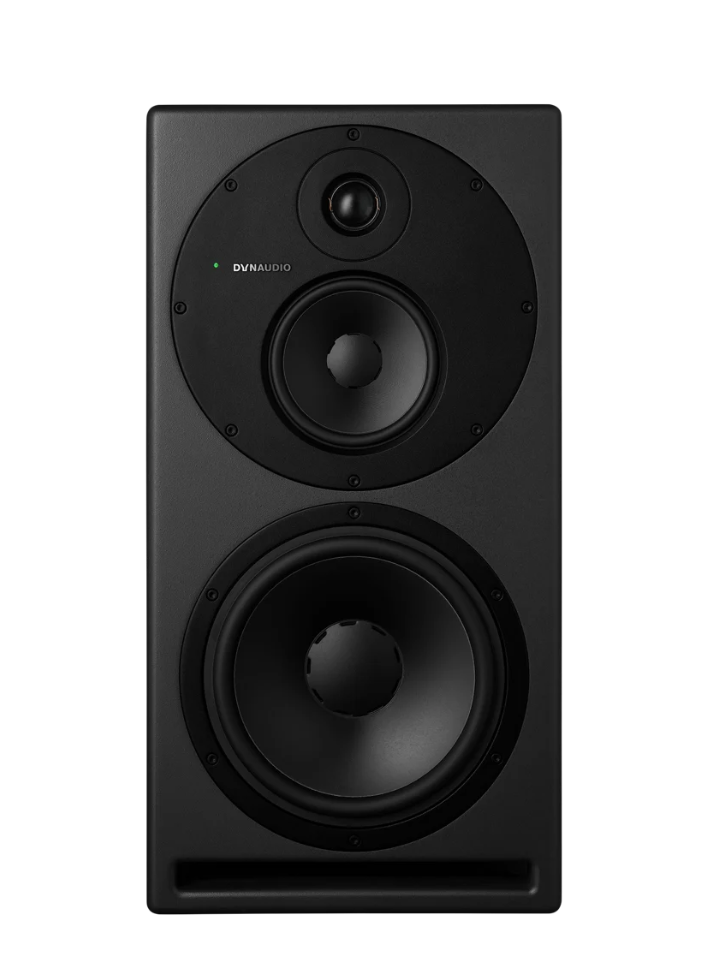
The Dynaudio Core 59 is super powerful and super analytical. It is also an exciting monitor, particularly with our synth and drum-machine rig. There are times when we find it a little fatiguing, but its sense of power and scale is hard to ignore.
Power and scale
With electronic instruments, the Core 59 can create an impression of scale that sometimes feels closer to a dance club than a conventional studio monitoring setup. Urban music feels like a natural fit. The presentation has the energy and impact that make working with our synths and drum machines especially enjoyable.
That excitement is a major part of its appeal to us. These monitors are analytical, but our experience is not simply one of picking apart recordings. They can make the music feel big and powerful.
A natural fit for digital systems
The Core 59 is a three-way active monitor with a 9-inch woofer, 5-inch midrange driver and 1.1-inch Esotar Pro soft-dome tweeter. Dedicated Class D amplifiers provide 500 W for the woofer, 500 W for the midrange and 150 W for the tweeter. Those are amplifier ratings; the scale and impact described above are our listening impressions.
Balanced analog XLR and AES3 digital inputs make it suitable for either an analog or digital signal chain. The AES3 connection is particularly useful in an all-digital setup, with a switch selecting which channel of the digital stream each monitor reproduces.
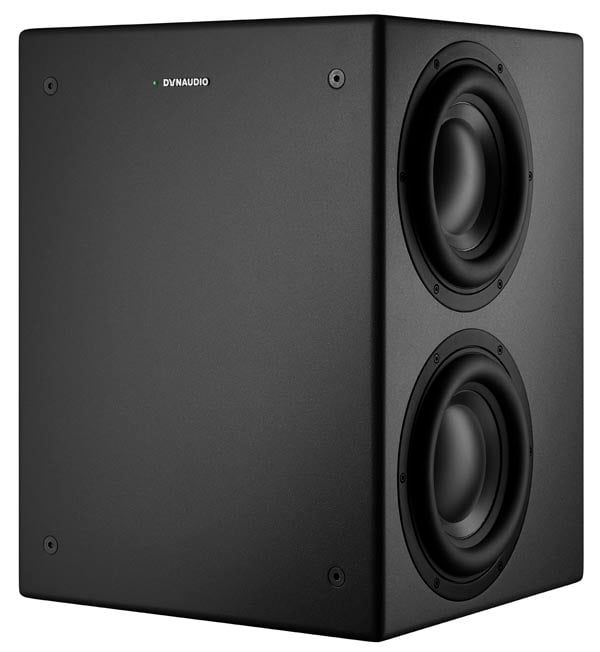
We regard the Core 59 as a particularly attractive choice for an all-digital system, especially with one or two Core Subs. Dynaudio’s matching subwoofer supports analog and AES digital connections, and the monitors provide an 80 Hz high-pass setting for subwoofer integration. The number and placement of subs should suit the room and listening setup.
Construction and placement
The Core 59 is beautifully built. A useful practical feature is its ability to operate horizontally or vertically: the Orbit Baffle lets the midrange and tweeter assembly rotate inside the cabinet. That provides real installation flexibility rather than simply turning the whole speaker on its side.
The Core 59 offers plenty of setup controls: desk and soffit compensation, wall and corner filters, sound-balance adjustment, bass extension, analog input sensitivity, output-level settings and AES channel selection. These help adapt it to the system and room, while careful placement remains important.
Firmware can be updated through the rear USB service connection using Dynaudio’s Core Update Tool. This connection is for maintenance, rather than USB audio playback.
A natural multichannel candidate
We also see the Core 59 as a natural candidate for multichannel monitoring, potentially alongside other monitors and subwoofers from the Core family. Its digital connectivity, placement controls and rotating baffle make it adaptable to different channel positions. Choosing the companion models would depend on the room, listening distances and output requirements. This is a system-planning recommendation, rather than a report of a multichannel installation we have tested.
The reservation
We sometimes find the Core 59 a little fatiguing. That is part of our experience and deserves to sit alongside the praise for its power, detail and excitement. We would not describe it as uniformly relaxed in our setup.
Our verdict
For our synth and drum-machine rig, the Core 59 is super exciting. Its analytical presentation and impressive power make it especially compelling for electronic and urban music, where the sense of scale can be a major attraction. Beautiful construction, digital connectivity and flexible orientation strengthen the case. The occasional fatigue is our main reservation.
Technical references: Dynaudio Core 59, Core user manual and Core Sub. Listening impressions and studio-use details are our own.