Studio Monitor Reviews
Dynaudio Core Sub Review: Extending Our ATC System
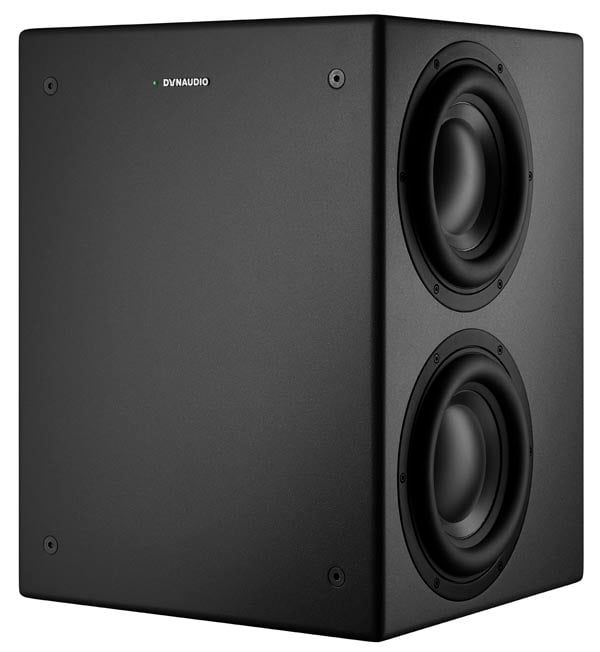
The Dynaudio Core Sub delivers great performance in a beautifully made cabinet. We have integrated these subwoofers with our ATC SCM45A monitors, extending the system’s response even lower. Although it belongs to Dynaudio’s Core family, its usefulness extends beyond a system made entirely of Core speakers.
Which Core Sub?
This review covers the full-size Dynaudio Core Sub with four 9-inch drivers, rather than the smaller Core Sub Compact. The two products should not be confused.
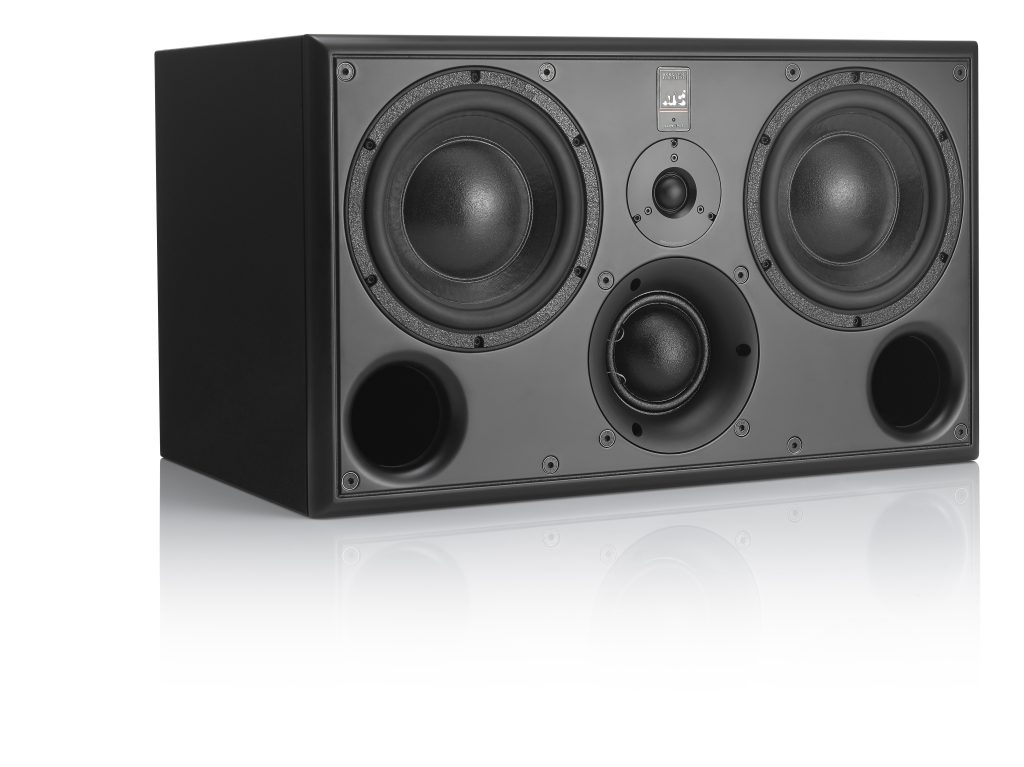
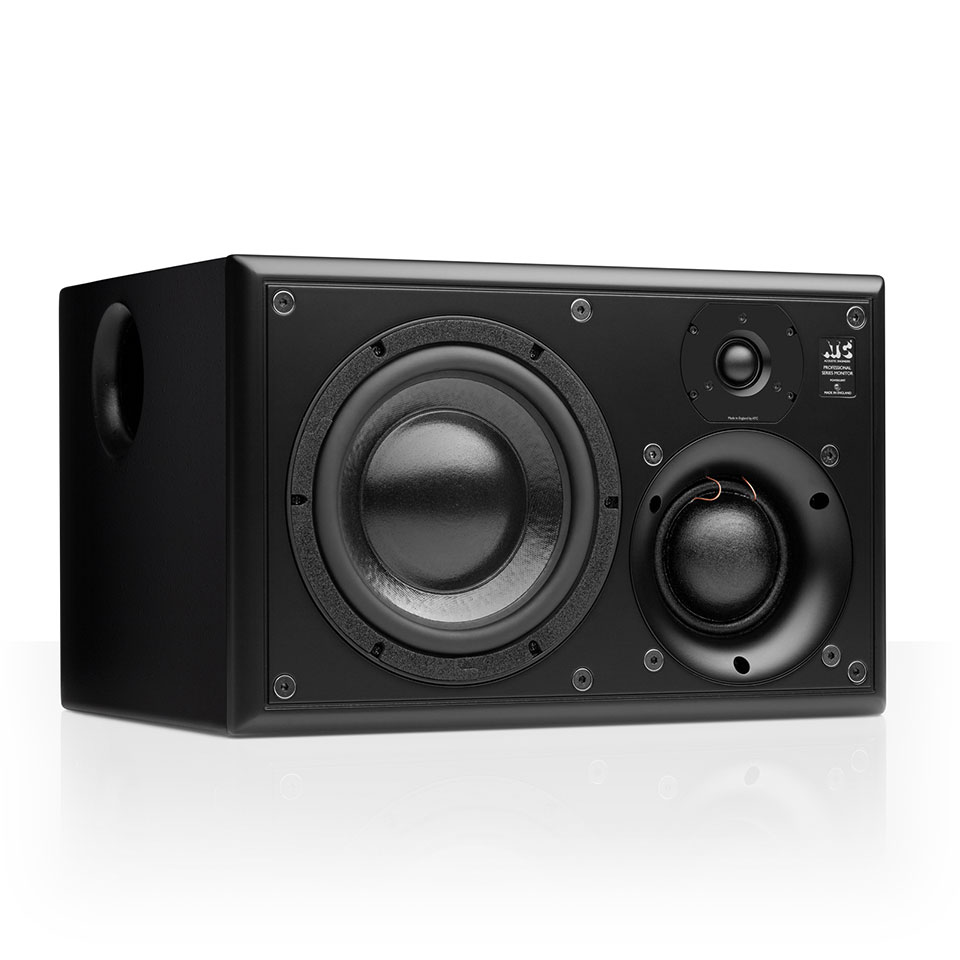
Our experience with the ATCs
Our SCM45As already provide the bass weight and slam that made them our choice for the room with the API console. Adding the Core Subs has extended their response further into the low frequencies. We regard the subwoofers’ performance and cabinet quality as major strengths.
That experience is also a useful reminder that the Core Sub is not restricted to Dynaudio monitors. We have made it work with our ATCs, and its controls allow the level and response to be adjusted as part of integrating it with other speakers.
Controls and integration
The Core Sub offers analog XLR and AES3 digital inputs, along with controls for input sensitivity, output level, placement compensation and bandwidth. Its low-pass setting is intended for bass extension, while the full-bandwidth setting supports applications such as a dedicated LFE channel. Attenuation settings accommodate systems using multiple subs.
With Core monitors, Dynaudio specifies the sub’s LP setting and the monitors’ HP setting, together with matched level settings. With speakers from another manufacturer, appropriate crossover arrangements, level matching and placement are still required; the controls do not make integration automatic.
There is one analog input per sub, and no analog high-pass output for the main speakers. A stereo analog system therefore needs suitable routing from an interface, mixer or monitor controller. For a single sub, that includes a correctly summed signal that follows the main monitor volume. This is an installation consideration rather than a limitation to Core-brand speakers.
The hardware
Four side-firing 9-inch woofers are powered by a total of 1,000 W of Class D amplification. Dynaudio specifies a low-frequency response reaching 15 Hz, with a −6 dB point at 13.5 Hz. Those are manufacturer figures, rather than measurements of our room.
The cabinet is designed to work physically with other Core products. Recesses on its top allow compatible Core monitors to rest on it, and the system supports stacking arrangements. That can make a Core installation more practical, provided the speaker positions and subwoofer positions suit the room.
The exposed drivers
Our main criticism is that none of the drivers is protected by a grille. Careful placement is essential: keep the exposed cones away from feet, chair movement and other hazards. A floor-level location that is acoustically useful may still be vulnerable to accidental contact.
Our verdict
Great performance, excellent cabinet quality and useful integration controls make the full-size Core Sub a compelling low-frequency addition. In our system, it has extended the response of the ATC SCM45As lower. Its ability to support Core monitors physically is another useful feature, but the exposed drivers deserve attention when planning the installation.
Technical references: Dynaudio Core Sub, Core user manual and Dynaudio integration guidance. Listening impressions and studio-use details are our own.