Opinions
Cymbal Buying Guide: Alloys, Turkish Makers & Studio Sound
In this article
- The confusing, expensive world of cymbals
- B8, B10, and B20 aren’t quality grades
- Cast, sheet, hammered, and lathed
- Zildjian, Sabian, and the Turkish tradition
- Trying to hammer a cymbal at Impression
- Why playability matters
- Meinl and a wider professional market
- UFIP and Roberto Spizzichino: Italy’s contribution
- The independent cymbalsmiths
- Why studios should own good cymbals
- Choose cymbals for the long term
A drummer’s and recording engineer’s guide to alloys, craftsmanship, Turkish cymbals, independent makers, and choosing instruments worth keeping.
The confusing, expensive world of cymbals
I remember starting to play drums and discovering just how expensive cymbals were. You could buy a beginner drum set for what a single good ride—or a ride and a crash—might cost. It seemed crazy then, and it’s still a surprise to many new drummers. You can improve an inexpensive drum kit with heads and tuning. There’s much less you can do to fundamentally change a cymbal you don’t like. Fortunately, there are now inexpensive but decent cymbals coming from Asia and elsewhere. Good cymbals can be made anywhere.
B8, B10, and B20 aren’t quality grades
B8 bronze is nominally 92 percent copper and 8 percent tin; B10 is 90/10; B20 is 80/20. The alloy matters, but it isn’t a ranking system. Paiste has made extraordinary professional B8 cymbals, including the 2002 series associated with John Bonham. The way the bronze is formed, hammered, lathed, tapered, and finished matters enormously. A great B8 cymbal is a great cymbal. A bad B20 cymbal is still a bad cymbal.
Cast, sheet, hammered, and lathed
A traditional cast cymbal starts with molten bronze, while a sheet-bronze cymbal begins with rolled stock. Both can produce excellent instruments. Hammering changes the shape and stress distribution; lathing removes material and establishes thickness and taper. These affect attack, sustain, wash, and stick definition. Handmade is an imprecise marketing term: it may describe hand casting, hand hammering, hand lathing, or simply hand finishing. Hand-hammered indicates that hammer blows are applied by a craftsperson, although other stages may be mechanized. Machine-hammered means the hammering pattern is applied mechanically, often with greater repeatability. Hand-finished can mean that only final adjustments are manual. None of these terms alone tells you whether you’ll like the sound.
Zildjian, Sabian, and the Turkish tradition
Zildjian traces its roots to Ottoman Turkey and eventually became an American manufacturing institution. Sabian was founded in Canada in 1981 by Robert Zildjian after a family split. In the American market, those two brands and Paiste dominate many drummers’ early impressions of what a cymbal should be. But the older Turkish-made K Zildjians remain especially sought after. Turkey is also home to Istanbul Agop, Istanbul Mehmet, Bosphorus, Turkish Cymbals, and Impression. Soultone is another brand associated with Turkish-made cymbals.
Trying to hammer a cymbal at Impression
I’ve visited the Impression cymbal factory in Turkey and even spent some time attempting to hammer a cymbal myself. Watching the cast blanks being worked on anvils gives you an appreciation for how much physical effort and judgment goes into shaping one. The noise is unbelievable. I had hoped to include photographs from that visit, but I haven’t been able to locate them. What stays with me is how much personality the finished cymbals can have. Two nominally identical handmade cymbals may differ in pitch, wash, stick definition, and responsiveness. That’s part of their attraction—and why I’d be reluctant to order one without hearing the actual cymbal, particularly from a seller who doesn’t accept returns.
Why playability matters
The Turkish cymbals I like best seem to respond as instruments. Changing the stick angle, playing nearer the bell or edge, or adjusting dynamics can bring out entirely different sounds. That doesn’t mean machine-made cymbals are inherently less musical; there are magnificent examples. But I particularly enjoy the expressive range of a good hand-hammered cymbal. Consistency is valuable too: buy a familiar Zildjian A model such as New Beat hi-hats and you generally know the family of sound you’re getting. With an individually voiced cymbal, you need to listen.
Meinl and a wider professional market
Meinl began in Germany in 1951 and once had a reputation for inexpensive cymbals. Its professional catalog now includes the Turkish-made, hand-hammered B20 Byzance family alongside German-made lines. It’s a reminder that brand, manufacturing country, alloy, and price no longer line up in simple ways. The modern market offers far more choices than when I started playing.
UFIP and Roberto Spizzichino: Italy’s contribution
Italy deserves a place in this story. UFIP, established in 1931, uses its distinctive centrifugal Rotocasting process for professional B20 cymbals. I own some UFIP cymbals. I appreciate that they’re different, but I can’t say I love them. That distinction matters: an instrument can be unusual and well made without being right for you. The late Roberto Spizzichino worked with UFIP before developing his own individually hammered and lathed cymbals in Tuscany. He died in 2011, and his signed instruments are now highly collectible. Read more about Spizzichino’s work.
The independent cymbalsmiths
There is a world beyond the large brands: Matt Bettis, Timothy Roberts, Craig Lauritsen, Lasse Funch Furberg of Funch Cymbals, Jesse Simpson, and small workshops such as Hayden Custom Cymbals, Ottaviano Cymbals, and Cymbal Craftsman/Royal Cymbals. Their appeal is often individual voicing rather than identical repetition. Cymbal & Gong and Dream Cymbals offer still more alternatives; Dream’s Chinese-made cymbals demonstrate that quality is not exclusive to one country. Small-batch does not automatically mean better. It means you have more possibilities—and often more reason to hear the exact cymbal before purchasing.
Why studios should own good cymbals
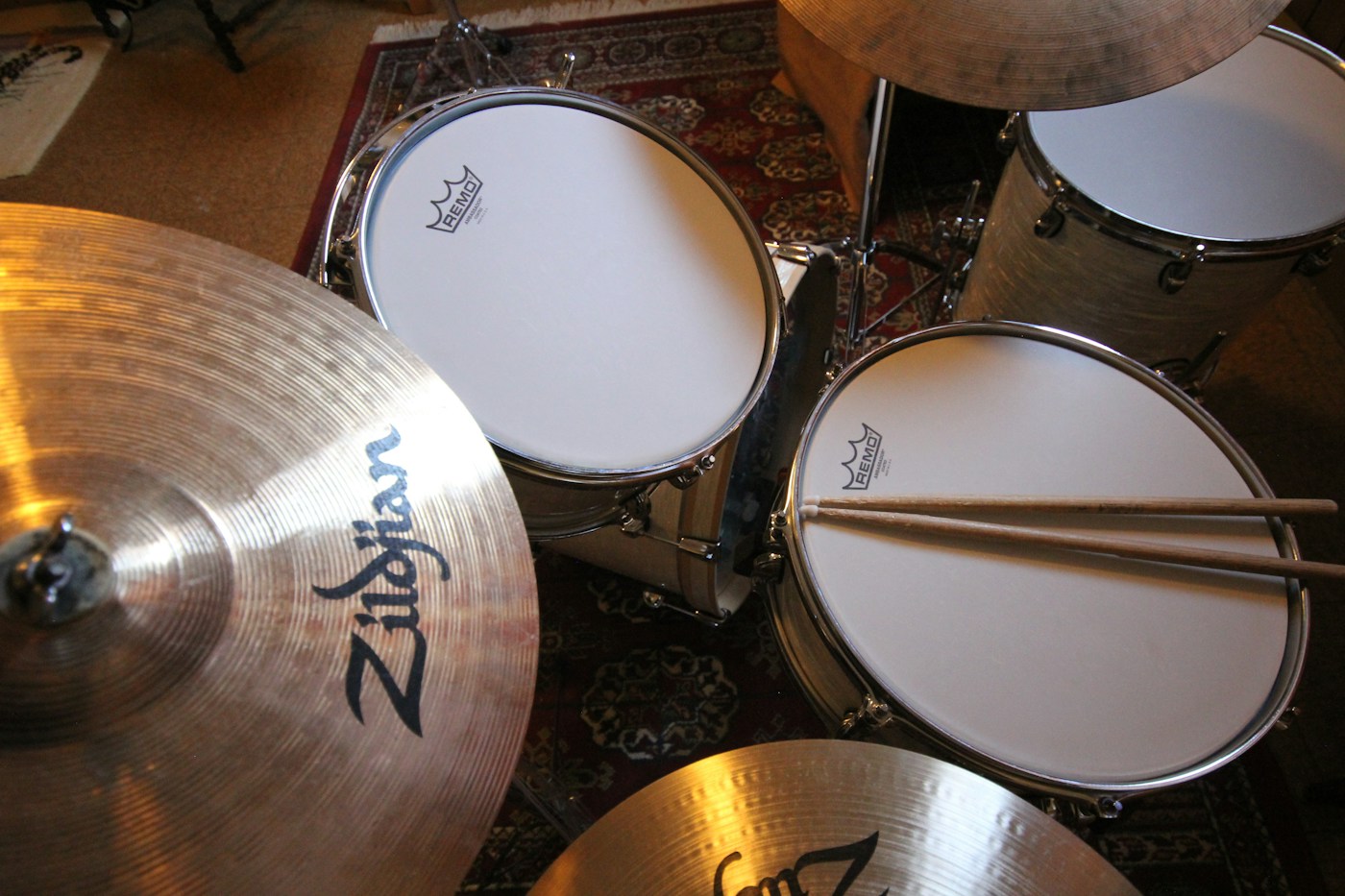
Many drummers bring their own cymbals to sessions. Unfortunately, some bring rotten-sounding cymbals. In a bright, splashy room, a harsh ride or spitty hi-hat can dominate the overheads and bleed into every close microphone. Equalization can help, but it cannot undo the fundamental character of a cymbal. A studio should keep some good alternatives available: responsive crashes, controlled but musical rides, and articulate hi-hats. A cymbal that sounds glorious by itself may be wrong for a dense mix, and a dry, restrained cymbal may be exactly what a particular recording needs.
For more on capturing a drum kit in the studio, see our Drum Tracks 101 and Ear Trumpet Labs Wanda microphone review, which includes mono drum-overhead listening impressions.
Choose cymbals for the long term
I have far too many cymbals—perhaps 70 or 80 at last count. That means I can usually find one for just about any recording or playing situation. I still appreciate good all-arounders, including the classic Zildjian A sound, but there are excellent alternatives everywhere. Properly cared-for cymbals can last decades, even a lifetime. I’d rather have modest drums and cymbals I love than a magnificent kit surrounded by metal I don’t enjoy playing. Listen carefully. Forget the assumption that B20 is automatically superior to B8, that handmade always beats machine-made, or that a famous logo guarantees the right sound. You’re buying musical instruments, not accessories.