Microphone Reviews
sE Electronics Cardioid Condenser Microphones: They’ve Come a Long Way
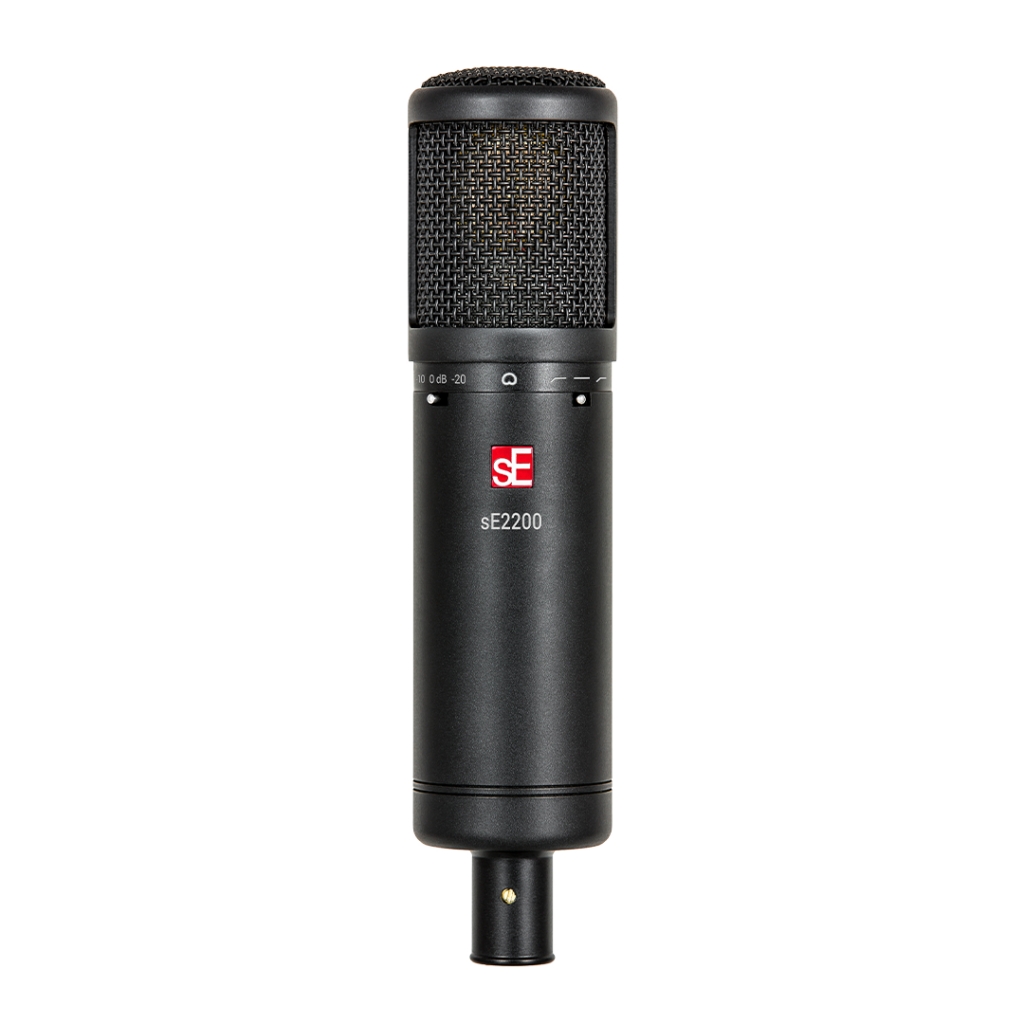
Boy, sE Electronics has come a long way.
And I don’t say that lightly, because my first experience with the company was absolutely dreadful.
Years ago, when I was writing for Electronic Musician, I was sent one of sE’s early tube microphones for review. It was vintage Chinesium. Just absolute garbage.
The thing sounded terrible. The construction was awful, and the electrical problems were even worse. I remember finding DC on the output, which is certainly not something you want to encounter on a supposedly professional studio microphone.
The company sent me replacements. More than one, as I recall. And every one of them had problems.
This wasn’t a situation where I received one defective sample and unfairly condemned an otherwise excellent product. I gave them multiple opportunities to provide a properly functioning microphone, and the results were consistently disappointing.
But here’s where the story gets interesting.
I wrote the review for Electronic Musician, and the magazine refused to publish it. Instead, they handed the assignment to somebody else.
Now, I can’t tell you precisely what went on behind the scenes, but I can tell you that this wasn’t the only time I encountered that sort of editorial decision. Something very similar happened with my review of the M-Audio Tampa.
And that raises an uncomfortable question about the relationship between advertising and editorial independence.
When a magazine derives a substantial portion of its revenue from the companies whose products it reviews, there is an inherent conflict of interest. That doesn’t mean every favorable review is dishonest, or that every editor is beholden to advertisers. But it certainly creates an environment where publishing a thoroughly negative review can become inconvenient.
My position has always been simple: if a product is junk, the reader deserves to know it’s junk.
Otherwise, what’s the point of reviewing it?
Of course, that was then, and this is now.
The sE Electronics cardioid condenser microphones I’ve encountered more recently are considerably better products. The company has clearly improved its engineering, manufacturing, and quality control over the years.
And perhaps they learned something from Rupert Neve along the way. Neve worked with sE Electronics during the later years of his career, collaborating on microphones including the RNR1 ribbon microphone and the RN17 condenser. Whatever else you might say about sE’s early products, having someone of Rupert Neve’s stature involved in your microphone development certainly couldn’t hurt. I’d like to think some of his engineering philosophy rubbed off on them. After all, there are worse people to learn from.
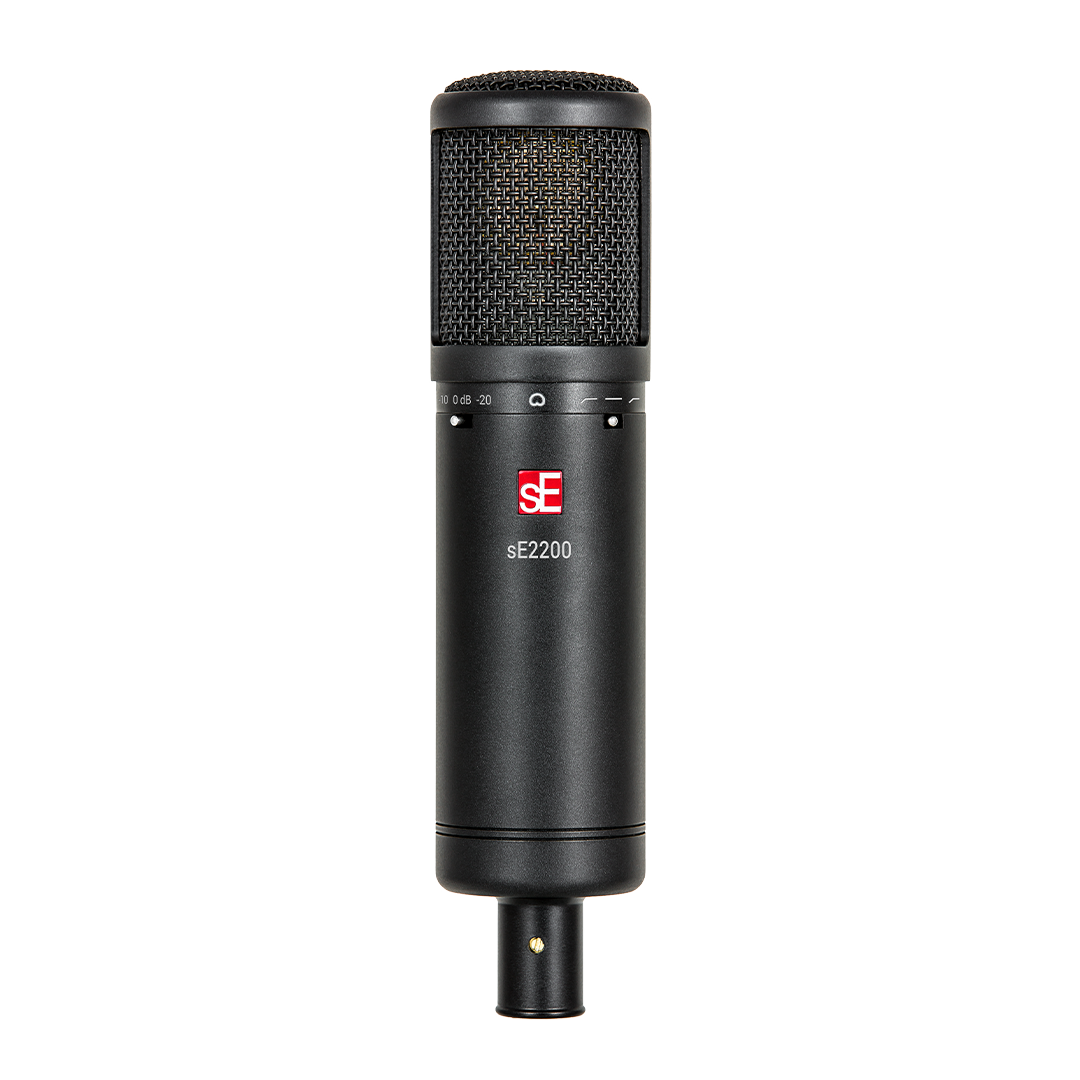
Are they Neumanns? No. But that’s not necessarily a fair standard, either. Not every microphone needs to compete with a U 87, and there are plenty of applications where spending that sort of money would be ridiculous.
The modern sE microphones are decent. They’re capable of producing perfectly respectable recordings, and I certainly wouldn’t dismiss one simply because of the name on the grille.
Would I buy one myself?
Probably not.
That’s not because they’re bad microphones. It’s because there are quite a few alternatives in their respective price ranges that I personally find more compelling. And when I’m spending my own money, being merely decent isn’t always enough.
But that’s a very different criticism from the one I would have made twenty years ago.
Back then, I was dealing with microphones that I didn’t consider fit for professional use. Today, I’m talking about products that are fundamentally competent, even if they wouldn’t be my first choice.
And that’s real progress.
I give sE Electronics credit for that. The company has developed considerably since those early days, and it deserves to be judged on what it’s making now, not solely on the dreadful microphone samples I encountered years ago.
Still, I haven’t forgotten those samples. And I certainly haven’t forgotten what happened to the review.
The verdict: sE Electronics has come a long way. Its modern cardioid condensers are respectable microphones, although not necessarily the strongest values in their respective categories. I wouldn’t go out of my way to buy one, but I wouldn’t object to recording with one, either.
Which, considering where we started, is quite a compliment.