Microphone Reviews
AKG D12E Review: The Granddaddy of Kick Drum Microphones
Manufacturer: AKG
In this article
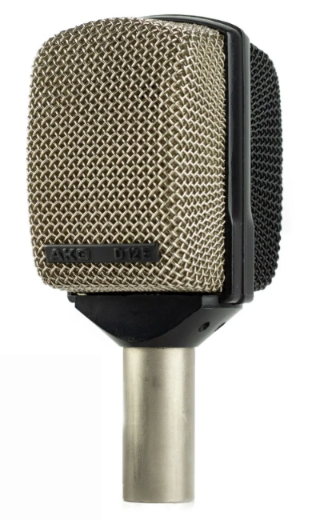
The AKG D12E is certainly the granddaddy of kick drum microphones. Now, I know it has an older brother, the original D12, but the D12E is the one many of us know and love. And there’s a good reason for that.
The D12E has a particular combination of low-frequency extension, midrange definition and natural sound that makes it unlike almost anything else you can put in front of a bass drum.
Before kick drums sounded like basketballs
Modern kick drum microphones tend to have a recognizable sound: lots of bottom end, a pronounced attack and often a substantial scoop in the middle. That can be terrific for certain music, but it doesn’t necessarily sound much like an actual bass drum.
Take the AKG D112, for example. I’ve never been particularly fond of it. To my ears, it often sounds like somebody bouncing a basketball. There’s a hollow, exaggerated quality to it that I find difficult to ignore.
The D12E is a completely different proposition. It sounds like a drum. Imagine that.
The sound of the D12E
What makes the D12E special is its balance. It has excellent low-frequency extension for a dynamic microphone of its era, but doesn’t produce the exaggerated, almost synthetic bottom end you hear from some modern kick drum microphones.
There’s also enough midrange presence to give you the attack of the beater without making the drum sound like somebody is hitting a piece of plastic with a hammer. You hear the body of the drum, the character of the shell and the attack of the beater as parts of the same instrument.
For the kind of kick drum sound associated with recordings from the 1960s and 1970s, the D12E is difficult to beat.
What about the Audix D6?
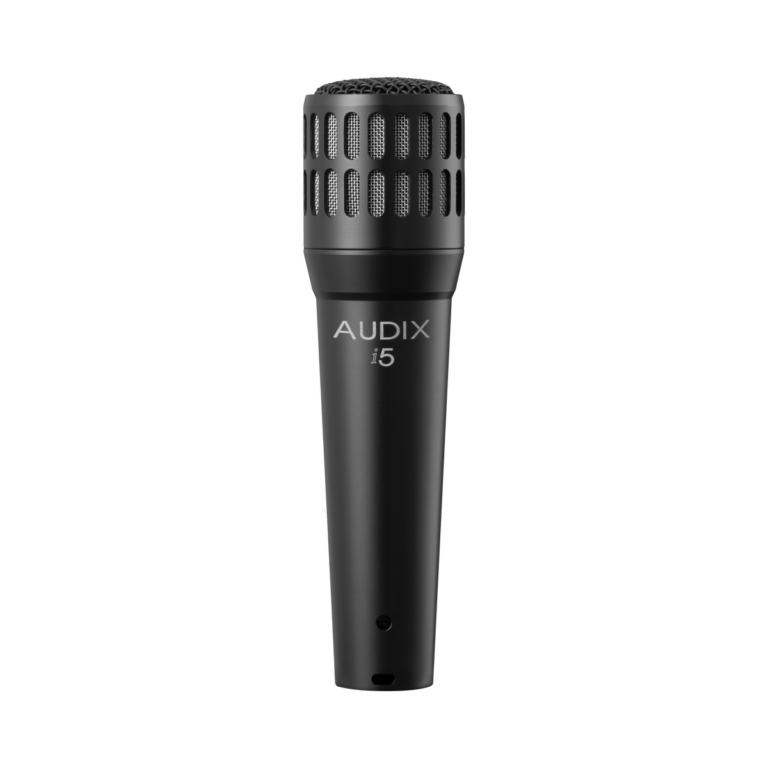
I like the Audix D6, and it’s a very different microphone. The D6 has a more modern sound, with pronounced low-frequency emphasis and an attack characteristic that can make a kick drum sound enormous. For contemporary rock and other styles where you want that sound, it’s a terrific choice.
But the D12E is more restrained. It doesn’t give you quite the same exaggerated thump, and that’s precisely why I like it. The D12E captures something closer to the actual instrument.
Terrific on bass cabinets, too
The D12E isn’t limited to kick drums. It’s also a wonderful microphone for bass guitar cabinets. Its extended low-frequency response and natural midrange character capture the sound of a bass amplifier without turning everything into a muddy mess.
You get the weight of the instrument and enough definition to hear what the player is doing. It’s one of those microphones that makes you wish you owned a few more of them. Until you look at the prices.
The original versus the modern AKG D12 VR
AKG eventually introduced the D12 VR, a modern microphone that borrows the D12 name but takes a substantially different approach. The D12 VR is an active dynamic microphone with selectable sound-shaping modes when phantom power is supplied. That’s an interesting concept, but it isn’t the same thing as a vintage D12E.
The D12E is a straightforward passive dynamic microphone. Its sound comes from the capsule, acoustic design and the way those elements interact with the source. There are no electronic voicing modes to select. Personally, that’s part of its appeal.
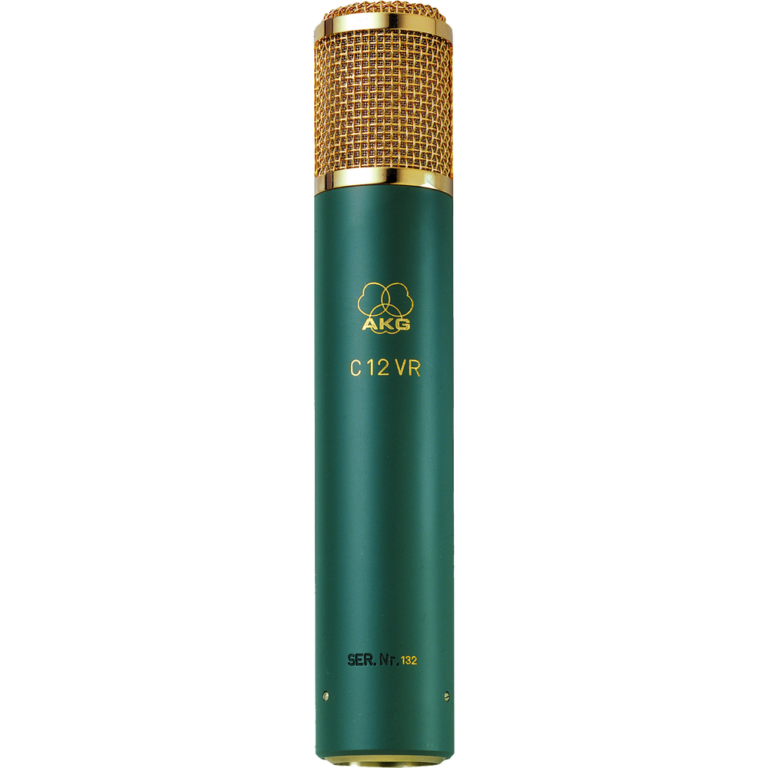
And while I recognize that AKG still manufactures some excellent products, I don’t think the company is quite what it was during the era when the D12E was developed. I’ve had similar reservations about some of its later headphones and even certain expensive microphones, including the C12 VR. The D12E belongs to a different period of AKG’s history.
Are vintage D12Es worth the money?
Unfortunately, the D12E has become expensive. A good used example can approach $1,000, depending on condition, originality and the market. That’s a lot for an old dynamic microphone, and condition matters.
These microphones are decades old. You can’t assume every surviving example performs exactly as it did when it left the factory. A damaged diaphragm, deteriorated components or an improper repair may leave a microphone looking fine while sounding very different from a healthy example.
If you’re going to spend serious money on one, I’d want to hear it first, ideally alongside another known-good D12E.
Final thoughts
The AKG D12E is one of the great kick drum microphones. It doesn’t have the exaggerated low-frequency thump of an Audix D6, and it doesn’t have the hollow, basketball-like character that I associate with the D112.
Instead, it has a wonderfully natural balance of low-frequency extension, body and attack. It sounds like the drum you’re recording. It’s also excellent on bass cabinets.
If you’re looking for that classic 1970s kick drum sound, I can’t think of a better microphone. Yes, they’re expensive. Yes, they’re old. And yes, you need to be careful about condition. But a good AKG D12E is still something special.
Sometimes the old stuff really was that good.